
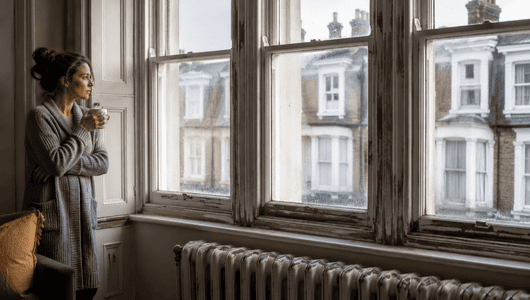
Period properties have a character that modern homes often try to imitate but rarely achieve. High ceilings, sash windows, original fireplaces, decorative cornicing, timber floors, panelled doors, brickwork, stone features and generous room proportions all contribute to the charm of Georgian, Victorian and Edwardian homes. For many homeowners, buying a period property is not just a practical decision; it is an investment in history, craftsmanship and architectural identity.
However, older homes also require a different level of care. A period property may have been standing for more than 100 years, and during that time it may have been altered, repaired, extended or modernised many times. Some changes will have been sympathetic. Others may have introduced hidden problems, especially where modern materials were used without considering how traditional buildings are designed to manage moisture, ventilation and heat.
Refurbishment is not simply about making an old home look newer. Done properly, it protects the building, improves comfort, enhances usability and preserves the features that make the property special. It can also help improve energy efficiency, prevent long-term structural deterioration and make the space better suited to modern living.
If you own a period property, here are five clear signs that it may be time to plan a professional refurbishment.
1. Damp, Mould or Condensation Keep Coming Back
One of the most common warning signs in a period property is persistent damp. This might appear as staining on walls, flaking paint, peeling wallpaper, musty smells, black mould, salt deposits, soft plaster, warped skirting boards or damp patches that return even after redecorating.
Damp in older buildings should never be ignored. Traditional buildings were often built using breathable materials such as lime mortar, lime plaster, timber and porous brick or stone. These materials allow moisture to move through the building fabric and evaporate naturally. When inappropriate modern materials are introduced, such as cement render, impermeable paints or non-breathable finishes, moisture can become trapped inside walls and floors.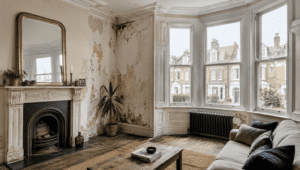
The Society for the Protection of Ancient Buildings highlights the importance of dealing with damp in ways that respect the need for old buildings to “breathe”, rather than simply sealing surfaces and hiding the symptoms. (spab.org.uk)
Damp can also affect energy performance. Historic England notes that building condition has a major influence on energy use, and that defects such as damp walls increase heat loss. Poorly fitting doors and windows can also reduce thermal performance through draughts and convective heat loss. (Historic England)
A refurbishment may be needed if you notice:
- Repeated mould growth despite cleaning
- Damp patches on external walls or chimney breasts
- Paint bubbling or plaster crumbling
- Condensation on windows every morning
- Rotting timber around windows, floors or roof areas
- A musty smell in cupboards, basements or unused rooms
A proper refurbishment should begin with diagnosis, not decoration. The cause might be blocked gutters, defective pointing, damaged roof coverings, poor subfloor ventilation, leaking plumbing, high external ground levels, inadequate heating, sealed fireplaces or inappropriate previous repairs.
A professional contractor experienced with period properties will look at the building as a whole. The right solution may involve lime plaster repairs, improved ventilation, roof and gutter repairs, repointing with lime mortar, breathable paints, timber repairs or careful improvements to heating and insulation. The goal is not to cover damp, but to allow the building to work properly again.
2. Original Features Are Deteriorating or Have Been Poorly Altered
The value of a period property is often tied closely to its original features. Sash windows, fireplaces, mouldings, tiled floors, ceiling roses, staircases, timber doors and decorative plasterwork all contribute to the property’s character. When these details are damaged, neglected or removed, the building can lose both charm and value.
Many period homes have also suffered from unsympathetic alterations. Examples include uPVC windows replacing original timber sashes, cement render over traditional brickwork, boxed-in fireplaces, removed chimney breasts, damaged cornicing, low-quality partition walls, inappropriate flooring or modern doors that do not suit the proportions of the property.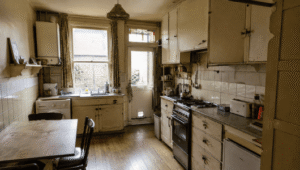
Refurbishment allows homeowners to reverse some of these changes and restore the property more sensitively. This does not mean turning the home into a museum. A successful period refurbishment combines restoration with practical modern living.
For example, original timber sash windows may not need to be replaced. In many cases, they can be repaired, overhauled, draught-proofed and upgraded with secondary glazing. Historic England identifies draught-proofing as one of the least intrusive and cost-effective ways to improve the thermal performance of existing windows and doors. (Historic England)
Signs that original features need attention include:
- Sash windows that rattle, stick or let in draughts
- Timber decay around window frames or external doors
- Cracked cornices, ceiling roses or decorative plaster
- Fireplaces that have been blocked without ventilation
- Original floors that are lifting, uneven or damaged
- Poor-quality modern finishes that clash with the building
- Paint build-up hides fine joinery details
A professional refurbishment can restore these elements while improving performance. This might include joinery repairs, plaster restoration, careful paint removal, reinstating period-style mouldings, repairing fireplaces, restoring floorboards or replacing inappropriate features with better-quality alternatives.
The key is balance. Period homes can be beautiful and highly functional, but they need considered design, suitable materials and skilled workmanship.
3. The Layout No Longer Works for Modern Living
A period property may have been designed for a very different way of life. Many older homes were built with smaller kitchens, separate dining rooms, service areas, narrow bathrooms, limited storage and layouts that do not always suit today’s needs.
You may love the building but feel frustrated by how it functions. Perhaps the kitchen is too small, the bathroom is poorly positioned, the house lacks natural light, or the living spaces feel disconnected. You may need a home office, a larger family kitchen, an open-plan dining area, better utility space or improved access to the garden.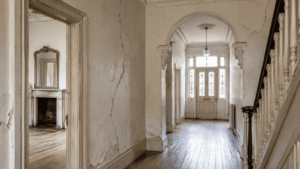
This is often one of the strongest signs that refurbishment is needed. A good refurbishment does not erase the period character of the property. Instead, it adapts the home so that it works for modern life while respecting its architectural identity.
Common layout issues in period properties include:
- A small kitchen at the rear of the house
- Poor connection between kitchen, dining and garden areas
- Bathrooms added awkwardly into former bedrooms or service spaces
- Dark corridors and underused middle rooms
- Lack of built-in storage
- Poor flow between living spaces
- Outdated extensions that waste space or block natural light
A refurbishment may include structural alterations, a kitchen renovation, bathroom relocation, improved lighting, better storage, new flooring, redecoration, or a rear extension. In London and other urban areas, side-return extensions and rear additions are particularly common ways to improve Victorian and Edwardian homes.
However, permissions matter. If the property is listed, in a conservation area or subject to planning restrictions, you may need approval before making changes. The Planning Portal explains that listed building consent is required for works involving alteration, extension or demolition of a listed building. Historic England also advises checking with the local authority conservation officer before carrying out works that may affect a listed building’s character. (planningportal.co.uk)
Before starting any refurbishment, it is sensible to check whether your property is listed on the National Heritage List for England, the official register of nationally protected historic buildings and sites in England. (Historic England)
With the right advice, it is often possible to create a more practical layout while preserving the features that make the property special.
4. Your Heating, Insulation, Electrics or Plumbing Feel Outdated
Many period properties have been upgraded in stages over decades. As a result, services are often a patchwork of old and new systems. You may have modern radiators connected to old pipework, dated electrics behind newer switches, low water pressure, limited sockets, inefficient heating controls, or insulation installed without proper ventilation.
Outdated services are not always visible, but they have a major impact on comfort, safety and running costs. If your home is cold, expensive to heat, slow to warm up or prone to draughts, it may be time to consider a deeper refurbishment.
Signs that building services need attention include:
- Frequent boiler or heating issues
- Rooms that never feel warm
- Cold floors and draughty windows
- Limited electrical sockets
- Flickering lights or old fuse boards
- Low water pressure
- No extractor fans in bathrooms or kitchens
- High energy bills despite careful use
- Poor ventilation and stale air
Energy upgrades in period homes need careful planning. Historic England explains that traditional buildings work differently from modern construction and that energy efficiency interventions can affect the balance of moisture, ventilation and heat. If inappropriate materials are used, there is a risk of moisture accumulation, fabric damage, mould growth or poor indoor air quality. (Historic England)
This is why a “whole-house” approach is important. Instead of adding insulation or sealing draughts in isolation, a professional refurbishment should consider the entire building: walls, roof, floors, windows, heating, ventilation and moisture movement.
Suitable improvements may include:
- Draught-proofing sash windows and doors
- Secondary glazing where appropriate
- Loft insulation with proper ventilation
- Floor insulation where suitable
- Heating system upgrades
- Smart heating controls
- Improved bathroom and kitchen extraction
- Careful internal wall insulation in selected areas
- Repairing gaps, cracks and defective external fabric
For rented homes, energy performance may also be relevant to legal compliance. Government guidance states that, since 1 April 2020, landlords in England and Wales cannot let properties covered by the Minimum Energy Efficiency Standard regulations with an EPC rating below E unless a valid exemption applies. (GOV.UK)
A refurbishment is an opportunity to improve comfort and efficiency without damaging the building’s historic fabric. The best results usually come from measured, sensitive upgrades rather than aggressive modernisation.
5. Small Repairs Are Becoming Frequent and Expensive
Every property needs maintenance, but if your period home constantly requires repairs, it may be more cost-effective to plan a proper refurbishment. Repeated patch repairs can become expensive, disruptive and inefficient, especially if they only deal with symptoms rather than underlying causes.
You may notice that one problem leads to another. A leaking gutter causes damp plaster. Damp leads to timber decay. Timber repairs reveal poor ventilation. Redecoration fails because moisture is still present. A bathroom leak exposes outdated plumbing. A small roof repair reveals broader issues with flashing, slates or chimney stacks.
At this stage, refurbishment can be a better investment than continuing with short-term fixes.
Warning signs include:
- Regular leaks after heavy rain
- Repeated plaster repairs
- Ongoing roof, chimney or gutter issues
- Cracked render or damaged pointing
- Timber decay in several areas
- Doors and windows are becoming harder to open
- Uneven floors or movement cracks
- Old repairs are failing again
- A growing list of “small jobs” that never seems to end
Historic England emphasises that maintenance and repair play an important role in improving the performance of older buildings. Keeping a building in good condition can reduce heat loss, avoid damp-related problems and help protect the fabric for the long term. (Historic England)
A planned refurbishment allows you to prioritise properly. Instead of reacting to problems one at a time, you can create a structured programme of work. This might include roof repairs, chimney works, rainwater goods, external masonry repairs, internal plastering, joinery restoration, services upgrades, kitchen and bathroom works, decoration and flooring.
For homeowners, this approach is often less stressful. It also helps control budgets, reduce repeated disruption and ensure that the work is carried out in the correct order. For example, it makes little sense to redecorate before damp, roofing or ventilation problems have been resolved.
Why Period Property Refurbishment Requires Specialist Care
Refurbishing a period property is different from refurbishing a modern home. Older buildings often rely on traditional materials and construction methods. They may not have damp-proof courses, cavity walls or modern foundations. Their walls may be solid brick or stone, their plaster may be lime-based, and their timber elements may need repair rather than replacement.
A contractor who understands period buildings will consider:
- The age and construction of the property
- Whether the building is listed or in a conservation area
- Original features worth preserving
- Moisture movement and ventilation
- Suitable materials, such as lime mortar and breathable finishes
- The sequence of works
- Structural implications of layout changes
- Building regulations and planning requirements
- Long-term maintenance
This matters because poor refurbishment can cause more harm than good. Sealing a damp wall, removing original joinery, using hard cement mortar on soft historic brick, installing insulation without ventilation or replacing original windows unnecessarily can all reduce the quality and value of the property.
A good refurbishment should make the home more comfortable, practical and efficient while retaining the character that made it worth buying in the first place.
Final Thoughts
A period property does not need to be perfect to be beautiful. Small imperfections are often part of its charm. However, recurring damp, deteriorating features, impractical layouts, outdated services and constant repairs are signs that the building may need more than minor maintenance.
A thoughtful refurbishment can transform the way you live in your home. It can protect the structure, restore original character, improve energy performance, create better spaces and add long-term value. Most importantly, it can help ensure that your period property continues to be enjoyed for generations to come.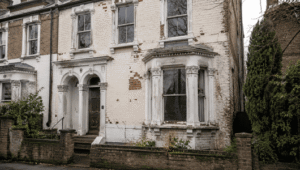
If you are considering refurbishing a period property, it is worth seeking professional advice early. A well-planned project will help you understand what needs repairing, what can be improved, what permissions may be required and how to achieve a result that respects the age, style and significance of the building.
Meridian Construction works with homeowners who want to improve, restore and modernise their properties with care. Whether you are planning a full house refurbishment, kitchen renovation, bathroom upgrade, extension or sensitive restoration project, the right approach can help you bring your period home back to life while preserving everything that makes it unique.
Useful External Resources
For further guidance on period property refurbishment, listed buildings and traditional construction, you may find these resources helpful:
- Historic England: Energy Efficiency and Retrofit in Historic Buildings (Historic England)
- Historic England: Listed Building Consent (Historic England)
- Planning Portal: Listed Building Consent (planningportal.co.uk)
- The Society for the Protection of Ancient Buildings: Damp and Breathability Guidance (spab.org.uk)
- National Heritage List for England (Historic England)